A decorated Christmas tree, a steaming hot drink, a Santa Claus dressed all in red: these traditions seem so natural to us, yet they have centuries of history behind them. Before you stroll through the aisles of the Toulouse Christmas market—from Thursday, November 26, to Sunday, December 27—here are their secrets.
The Christmas Tree: The Tree That Defies Winter
Did you know? Long before Christianity, Germanic and Scandinavian traditions linked the evergreen tree to the heart of winter: it symbolized enduring life. First decorated in the 16th century in Alsace, the Christmas tree then spread throughout Europe.
Santa Claus: From Saint Nicholas to the Red Sack
His ancestor is Saint Nicholas, a 4th-century bishop known for his generosity toward children. The character evolved in the United States during the 19th century, and 20th-century illustrations and advertising gave him his red suit and jolly appearance.
The Christmas Market: A Tradition Dating Back Over 700 Years
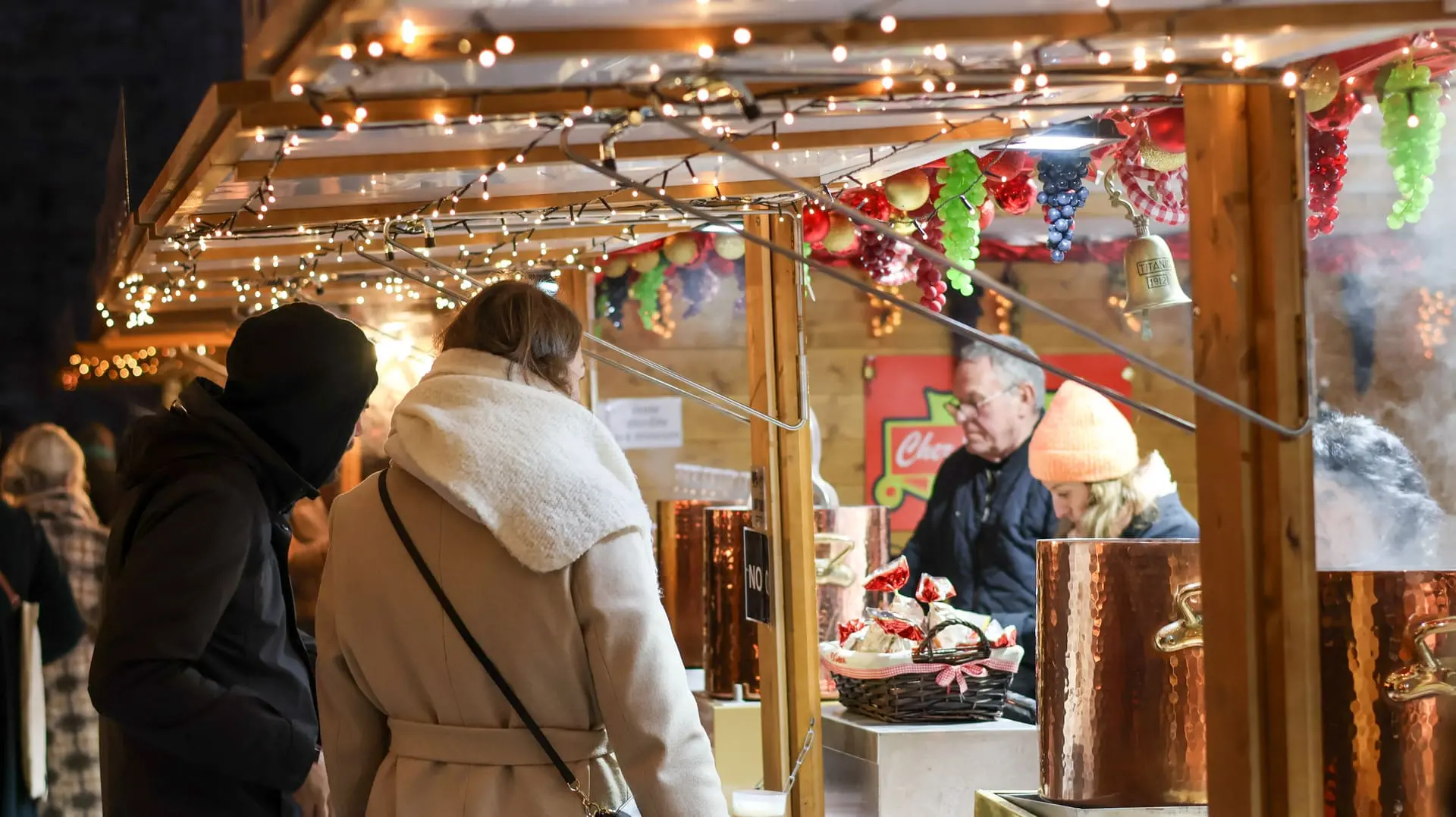
The first Christmas markets emerged in Germany and Alsace as early as the Middle Ages, under the name Christkindlmarkt. People would come to stock up on food and decorations before winter. They have since become popular festivals, featuring wooden chalets, local crafts, and delicacies.
Gifts, lights, and mulled wine: the art of coming together
Giving gifts, turning on the holiday lights, sharing a glass of spiced mulled wine: these rituals have evolved gradually, blending religious beliefs, folk customs, and a spirit of togetherness. Each generation adds its own touch.
In Toulouse, tradition takes on a pink hue
In the “Pink City,” these traditions come to life in the heart of historic squares—Place du Capitole, Square Charles-de-Gaulle, and Allées Jean-Jaurès. Wooden chalets showcase local crafts and unique gift ideas, while the cuisine of southwestern France warms visitors’ hearts. Under the festive lights, the magic of the holidays takes over Toulouse.